Reserve your table at Tsunami Sushi to experience our unique ambiance and unforgettable flavors firsthand. Book now to secure your spot and enjoy a memorable dining experience at Lakewood Ranch!
Reserve your table at Tsunami Sushi to experience our unique ambiance and unforgettable flavors firsthand. Book now to secure your spot and enjoy a memorable dining experience at Lakewood Ranch!
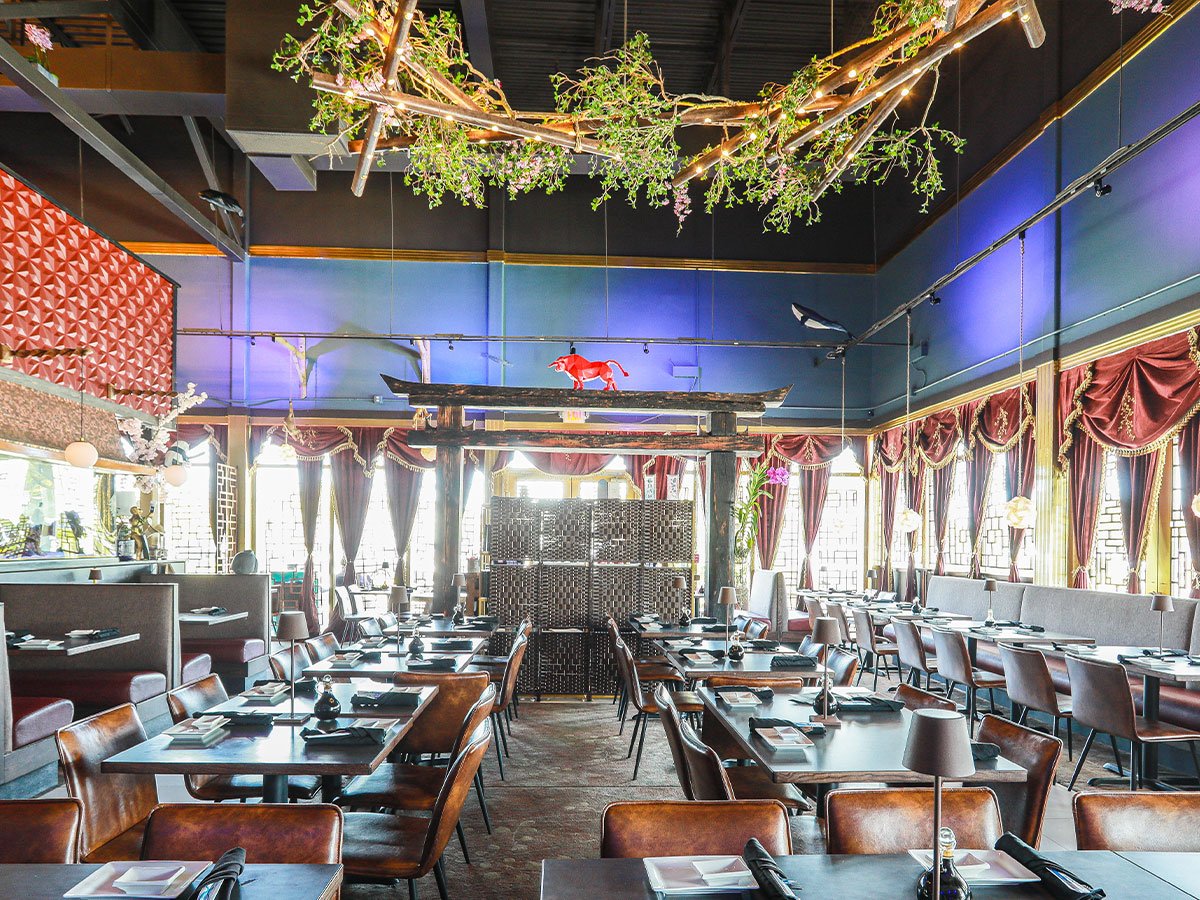
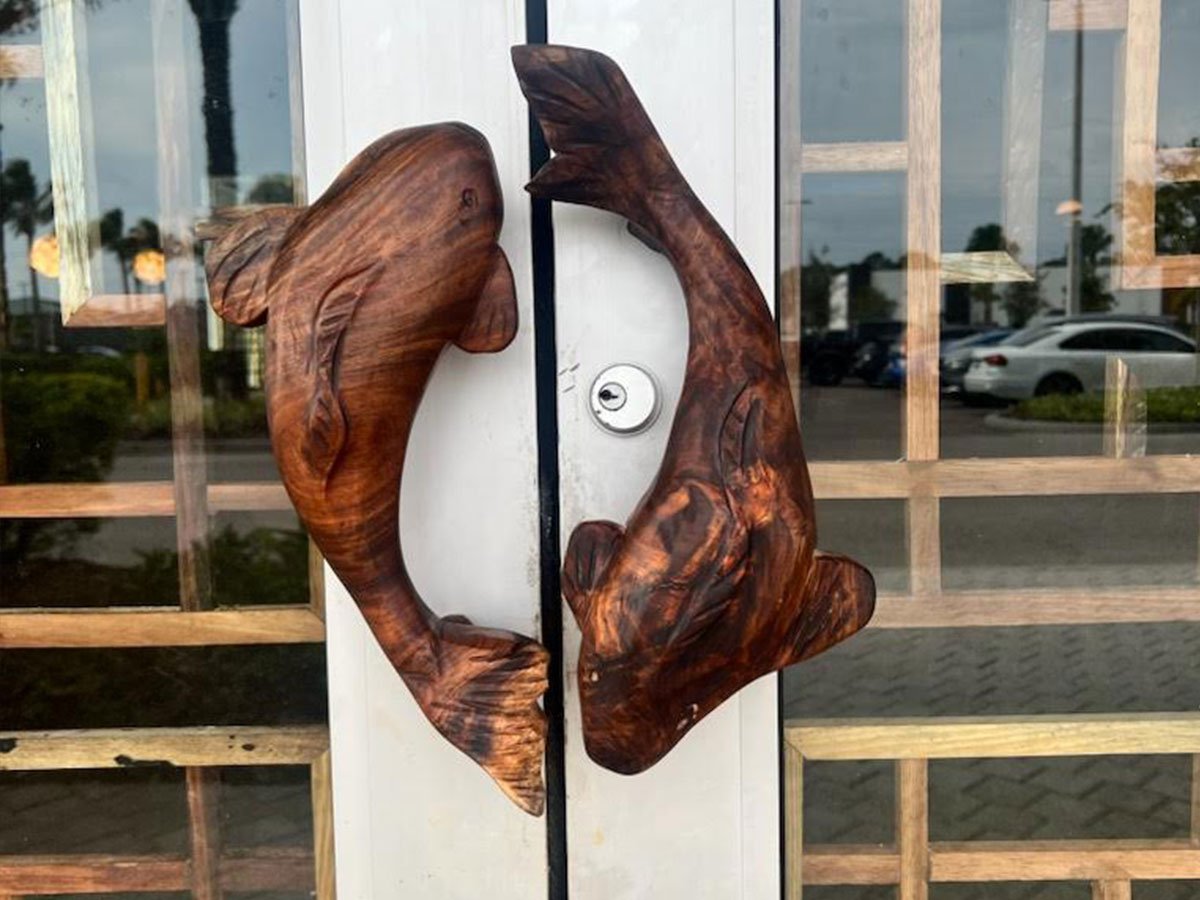
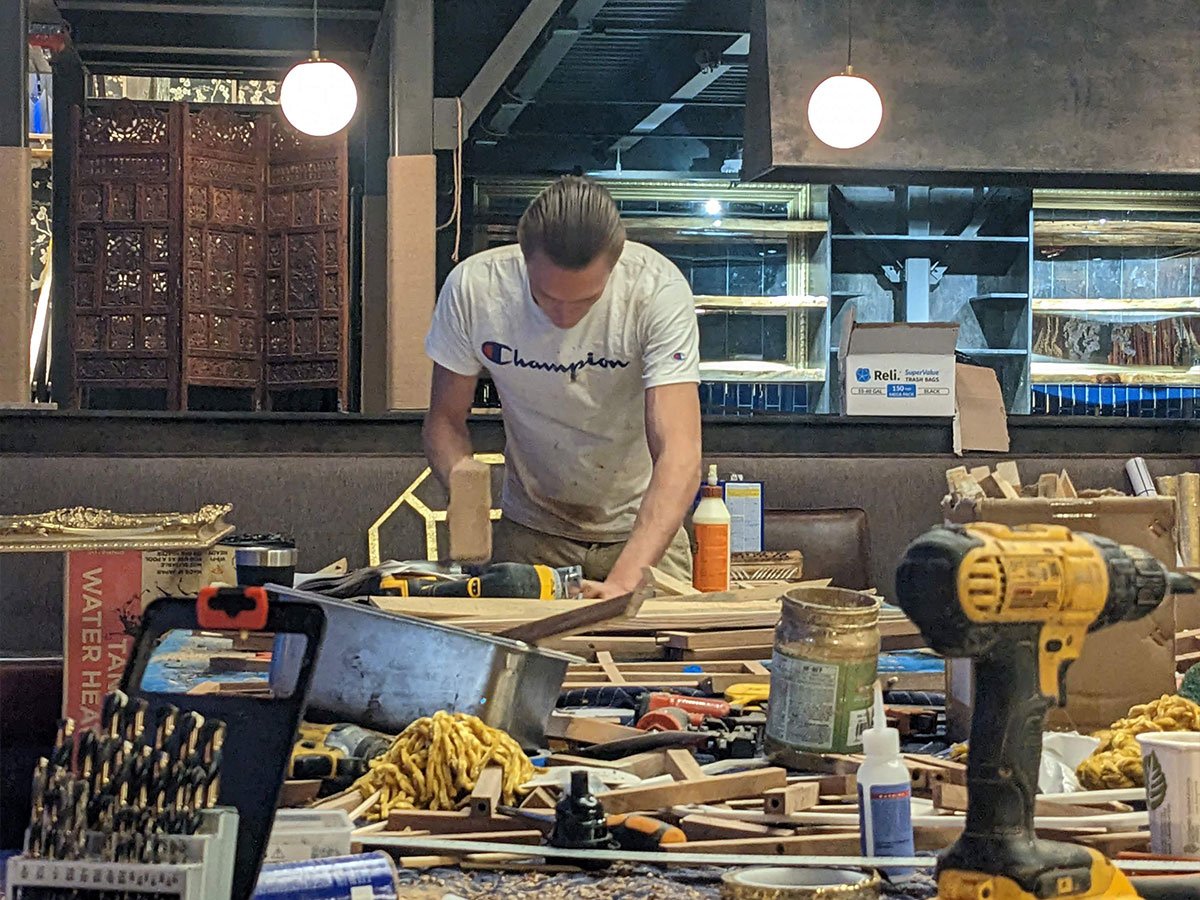
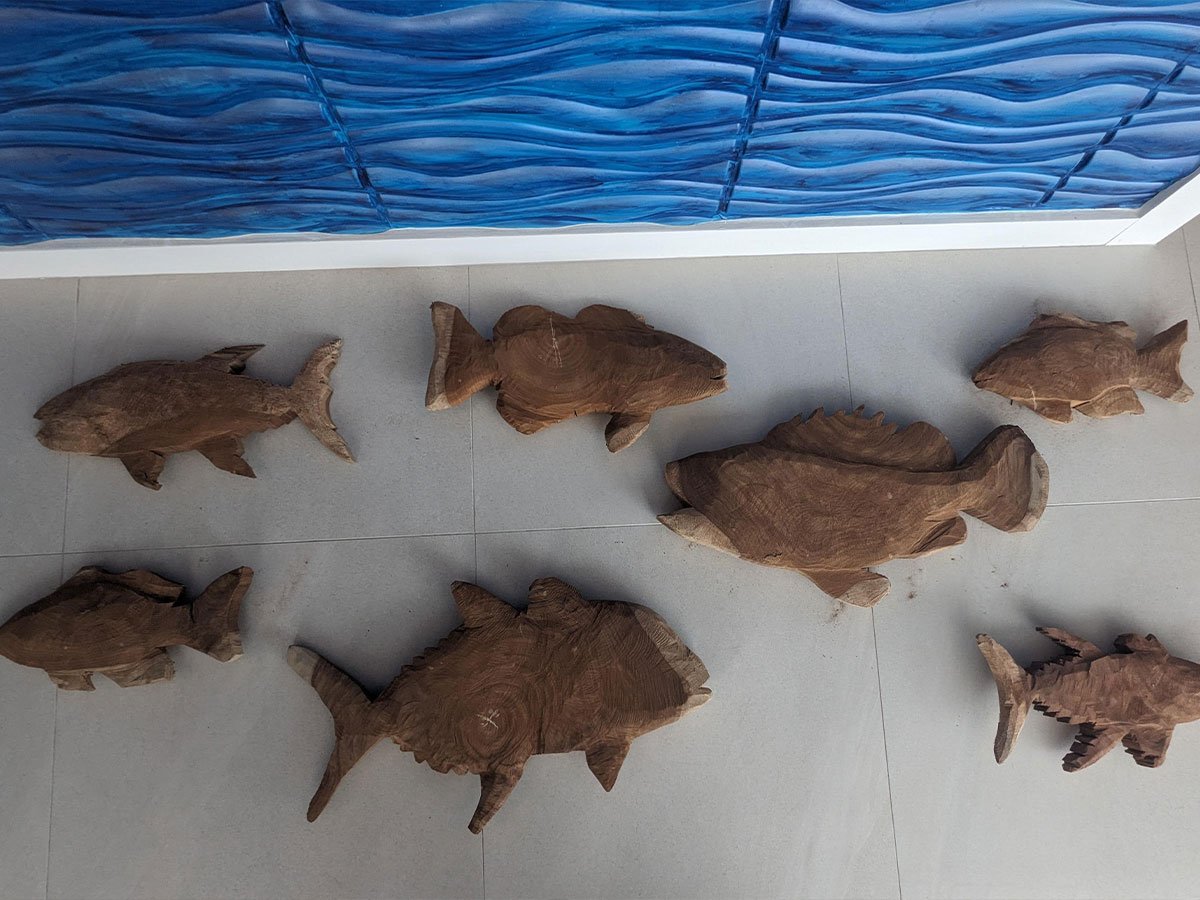
At Tsunami Sushi in Lakewood Ranch, owner Sam has crafted a unique atmosphere with thoughtful details. A striking red Tori Gate welcomes guests, symbolizing a gateway to Japanese culture. Sam’s expert woodworking adds warmth through custom wooden accents, while playful paper mache animals and vibrant aquariums enhance the inviting space. Each element reflects Sam’s dedication to creating an authentic and memorable dining experience.
Torii Gate 鳥居
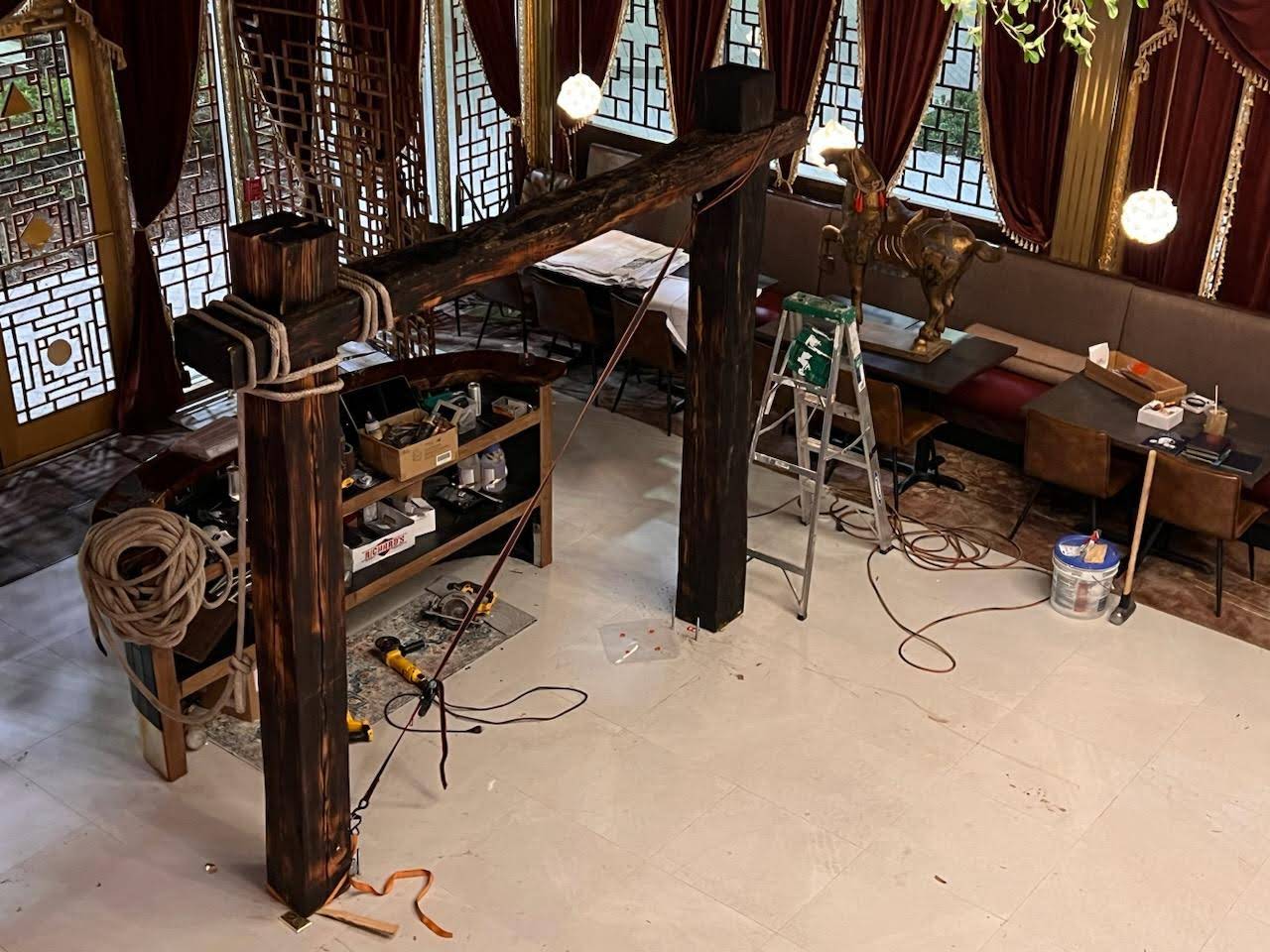
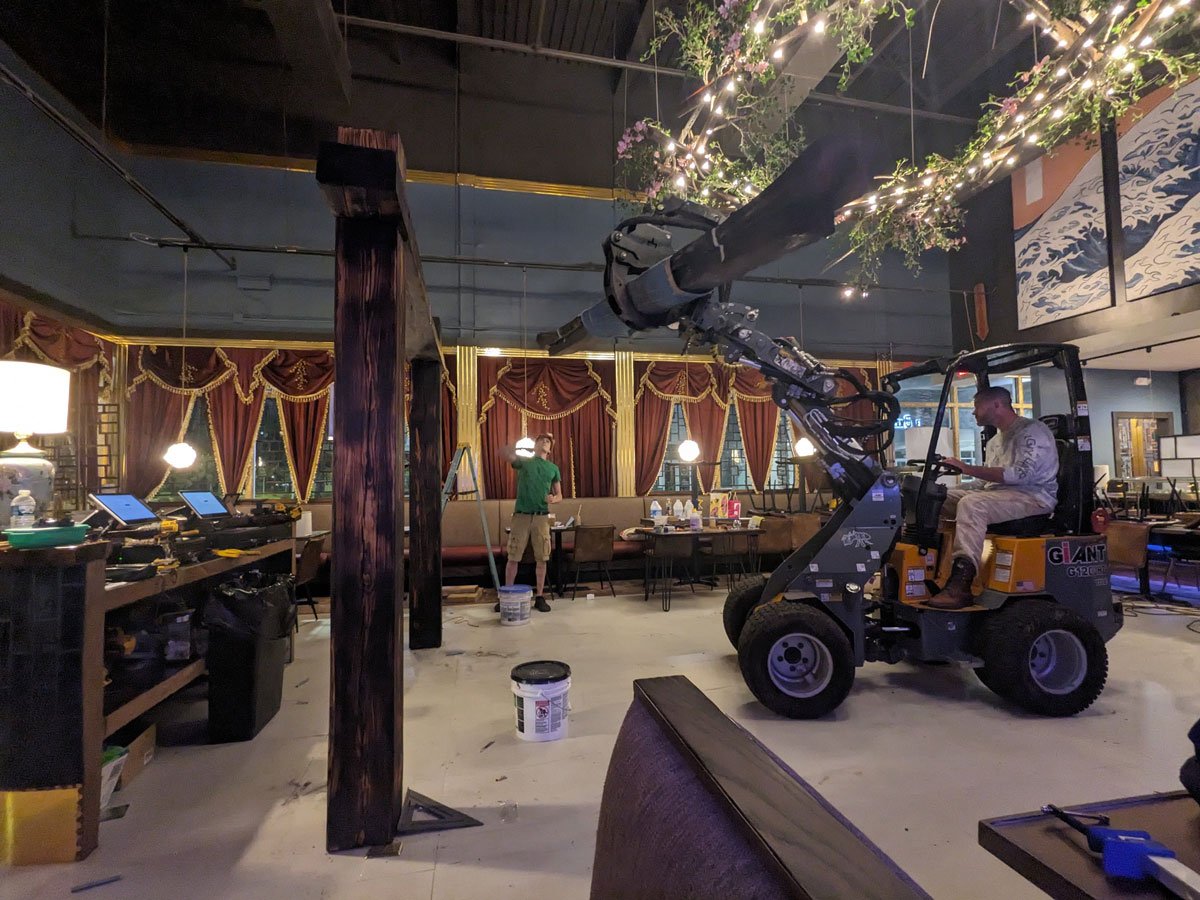
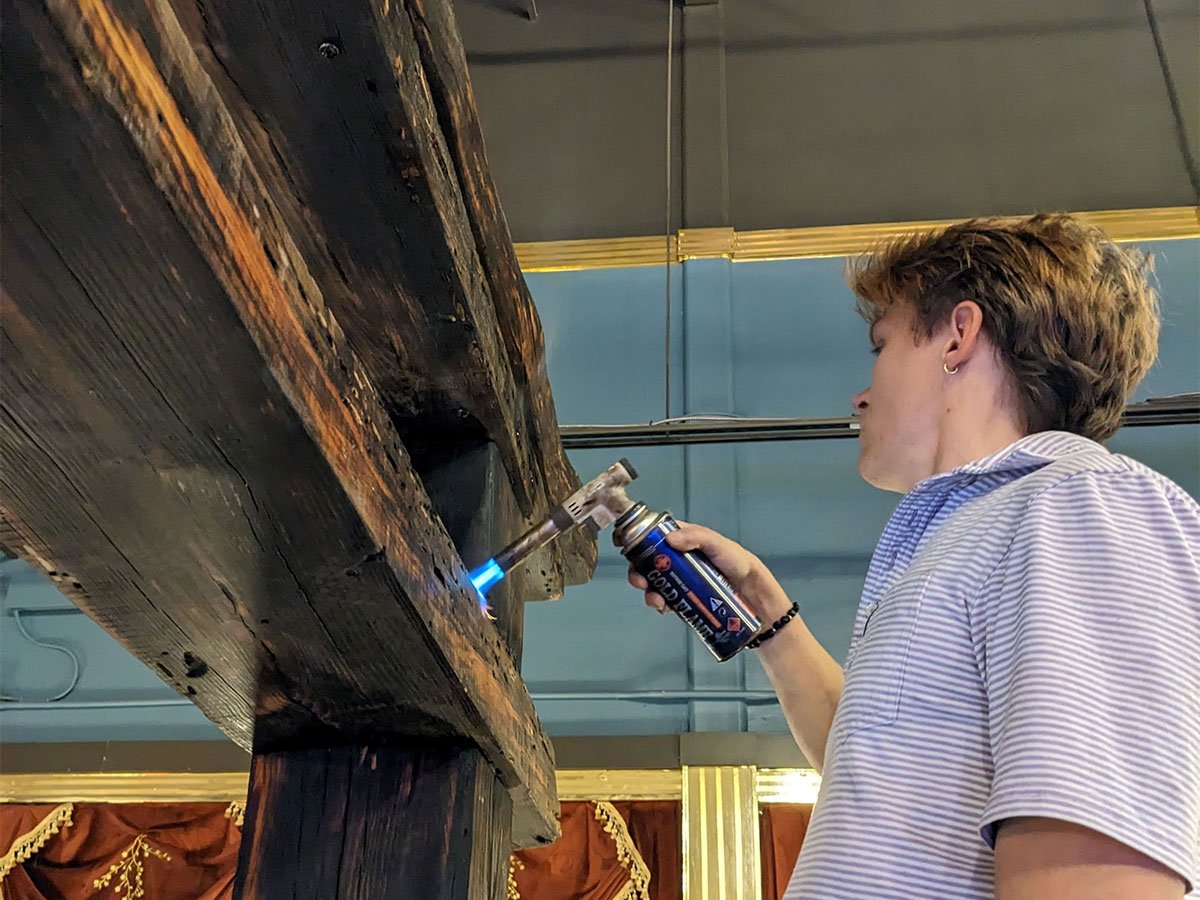
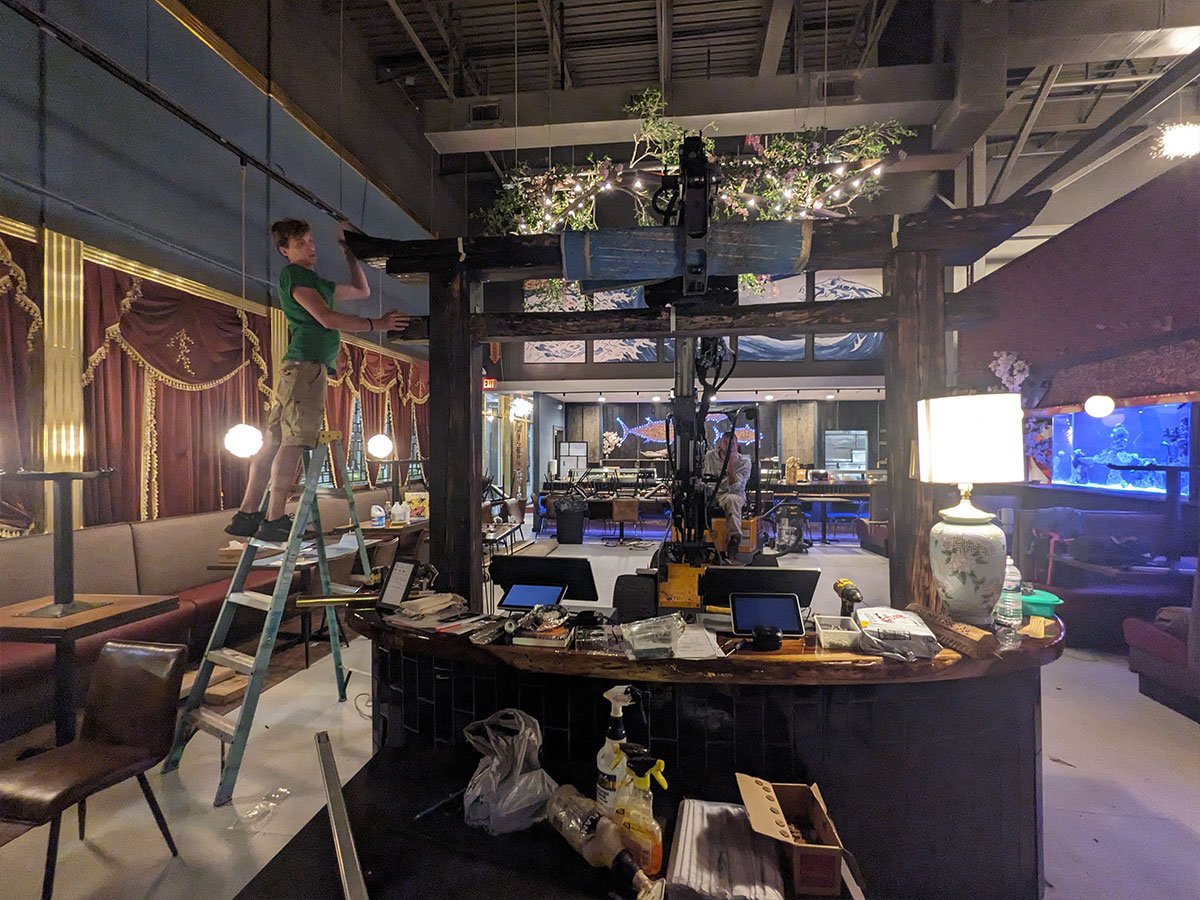
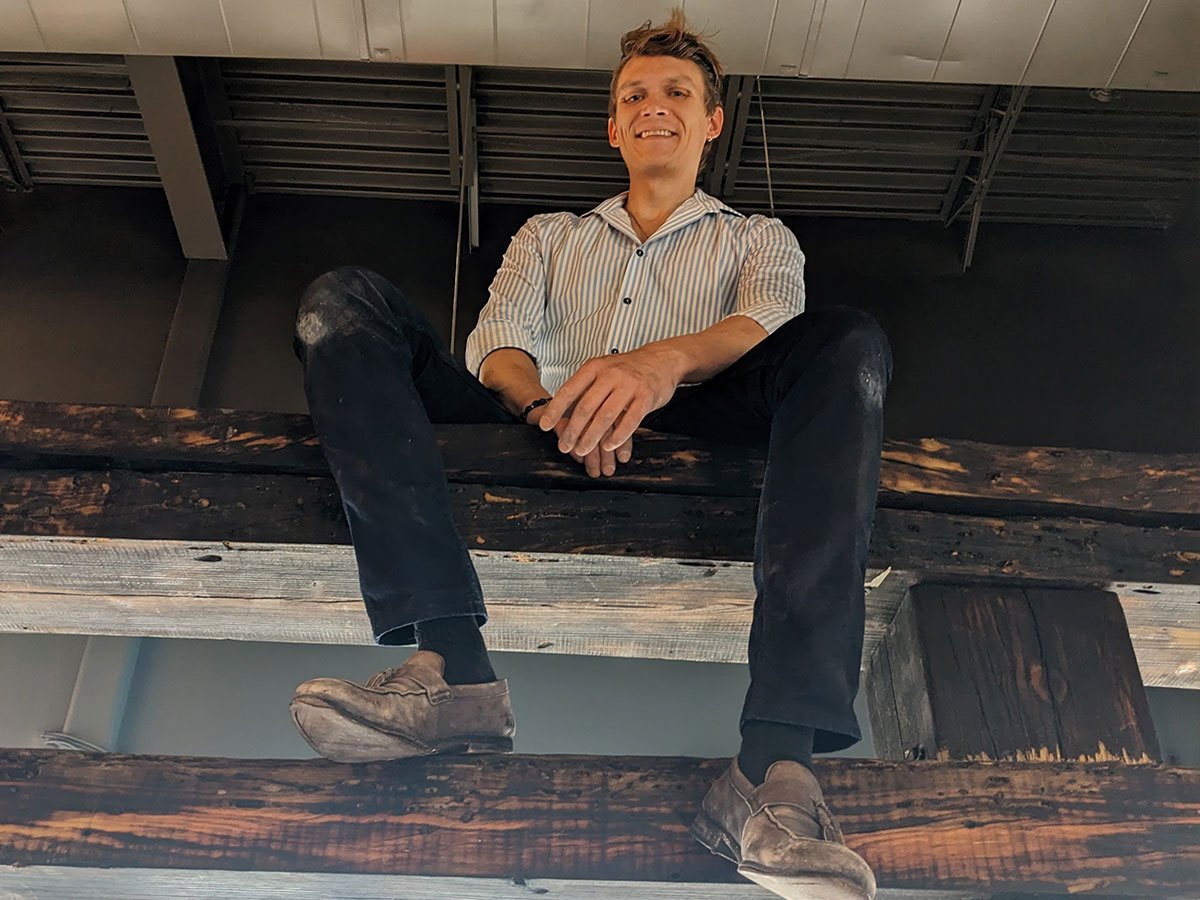
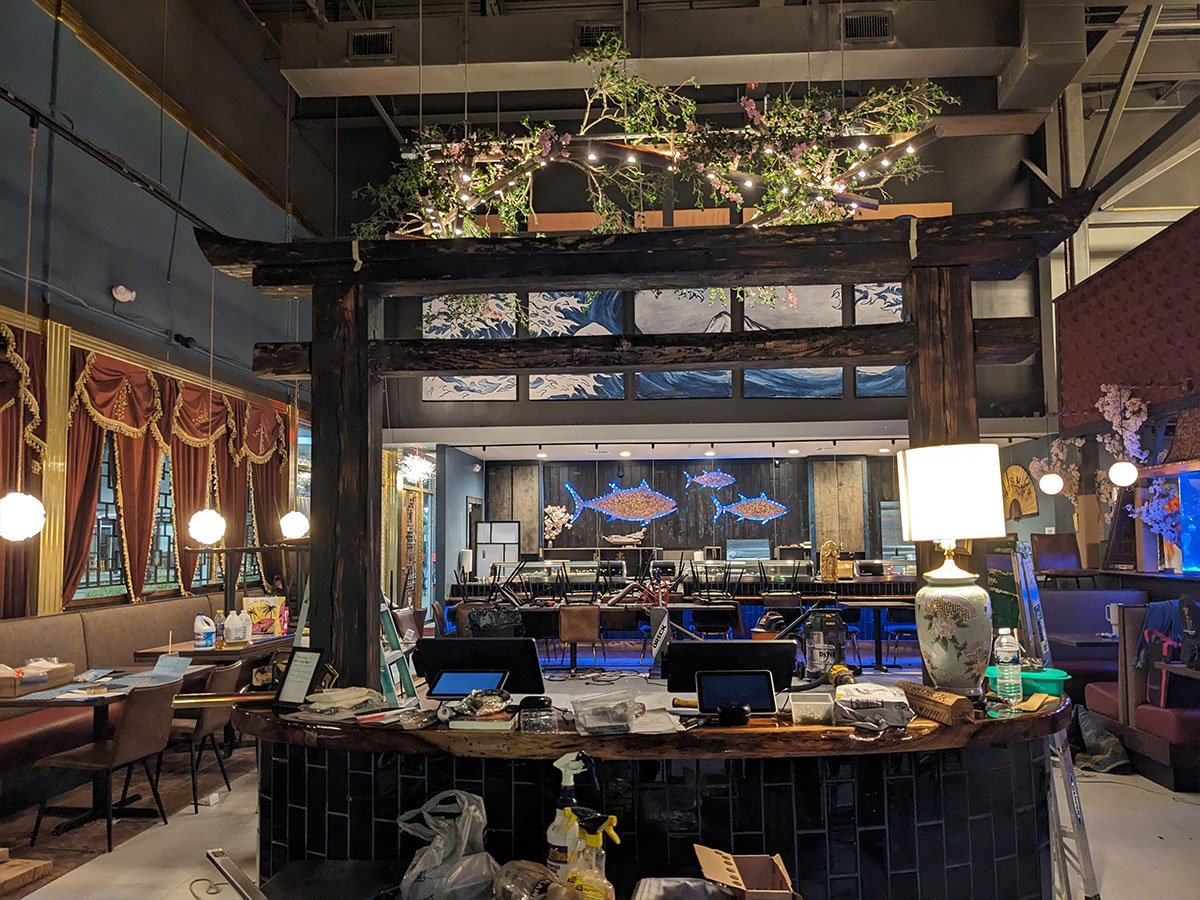
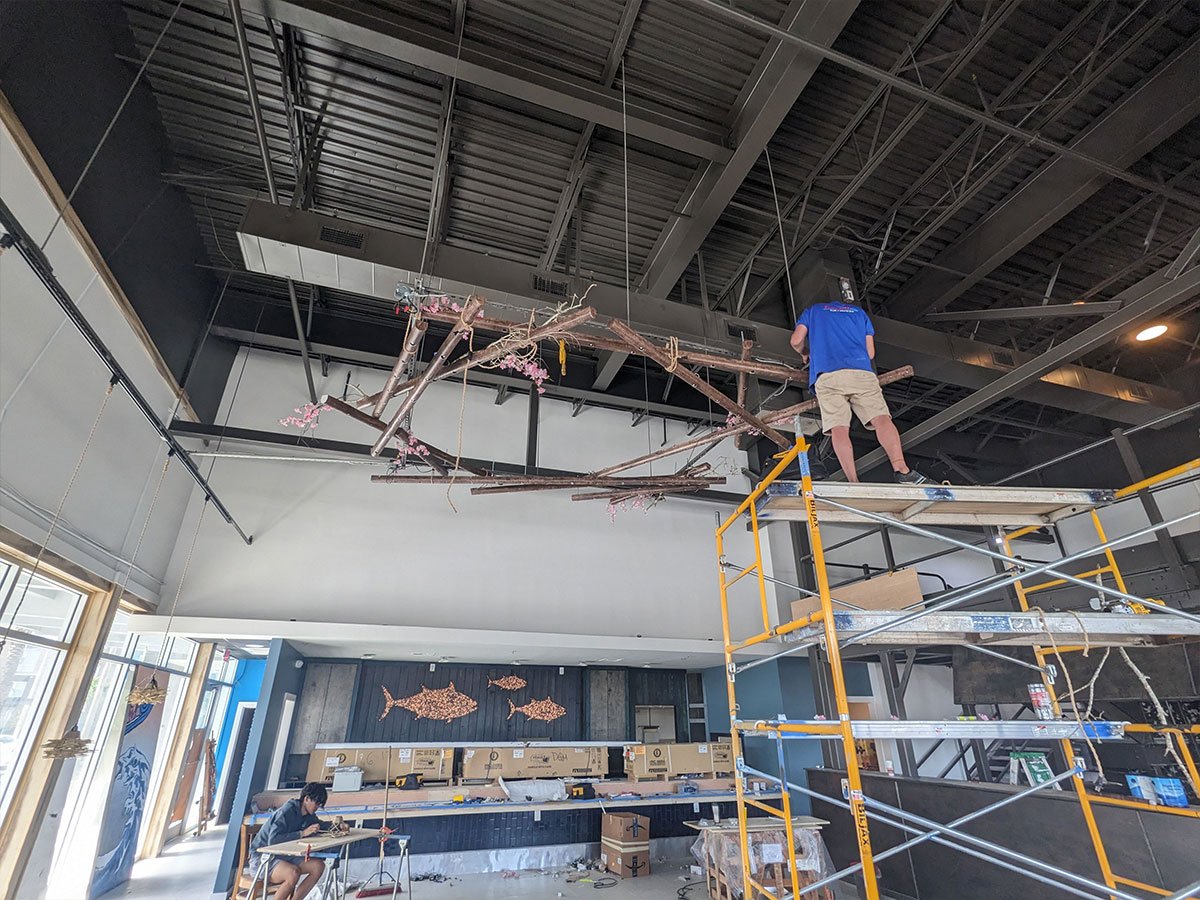
The Torii Gate at Tsunami Sushi Lakewood Ranch is a stunning homage to ancient Japanese Shintoism and a testament to sustainable craftsmanship. This iconic structure was lovingly crafted using locally sourced wood salvaged from trees felled by Hurricane Ian, thanks to the efforts of Native Tree Services who collected logs that otherwise would have been mulched.
The gate’s striking finish was achieved using the traditional Japanese technique of “Shou sugi ban,” a historic wood-burning method that chars the surface to create a protective layer. This process not only preserves the wood but also enhances its durability, weather resistance, and fire retardance, blending timeless artistry with environmental responsibility.
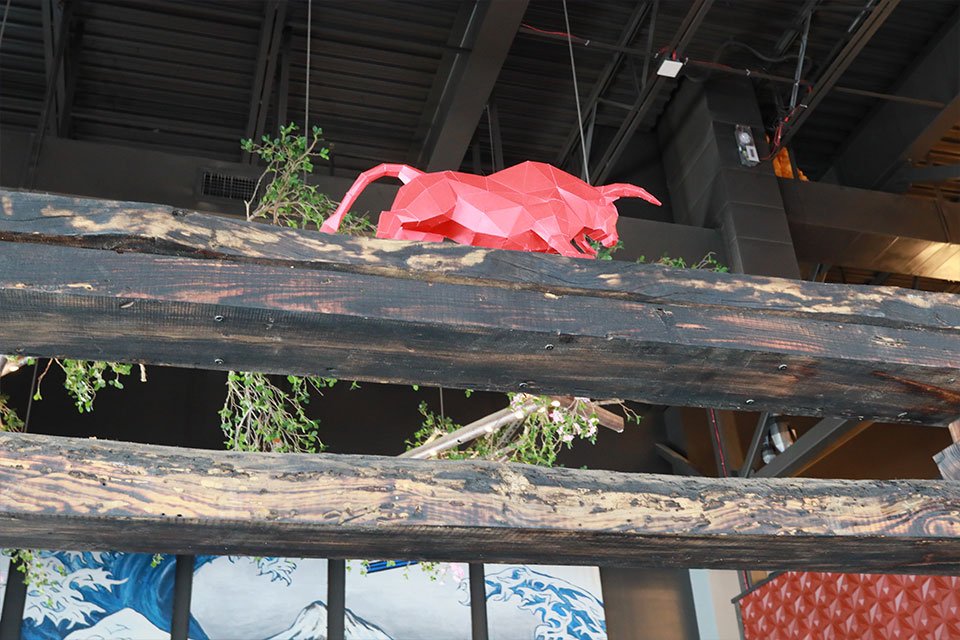
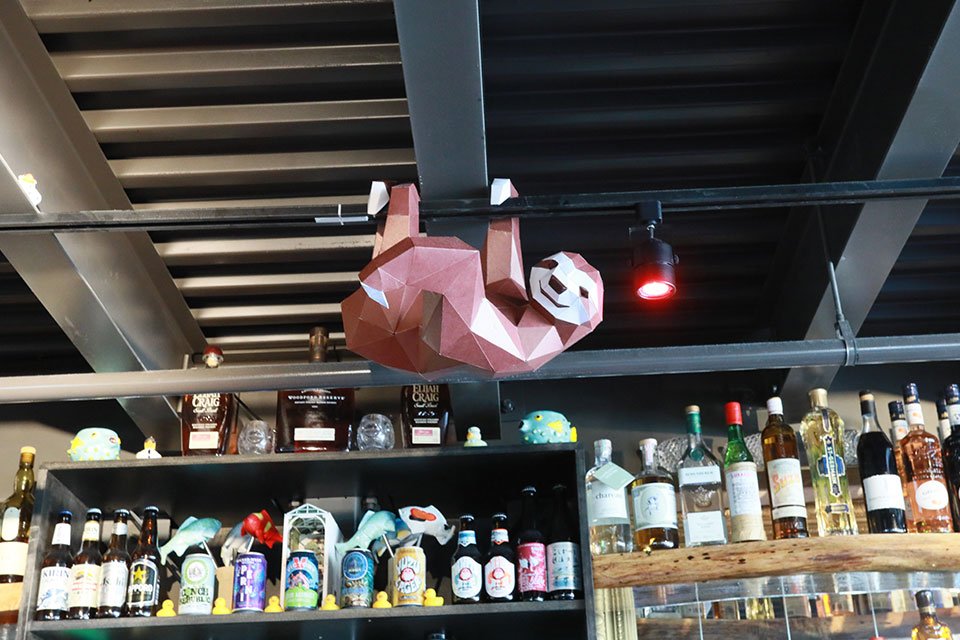
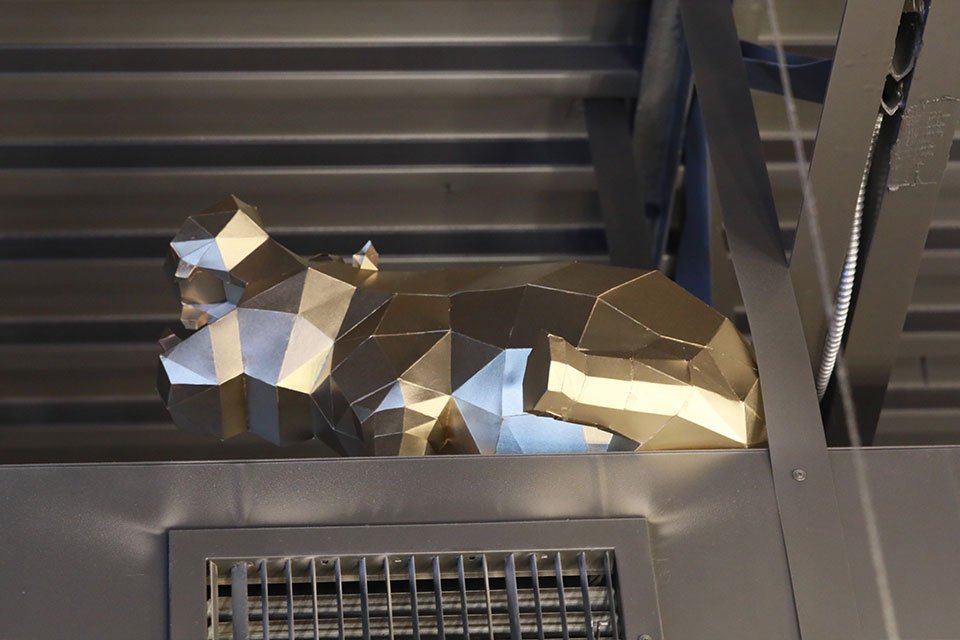
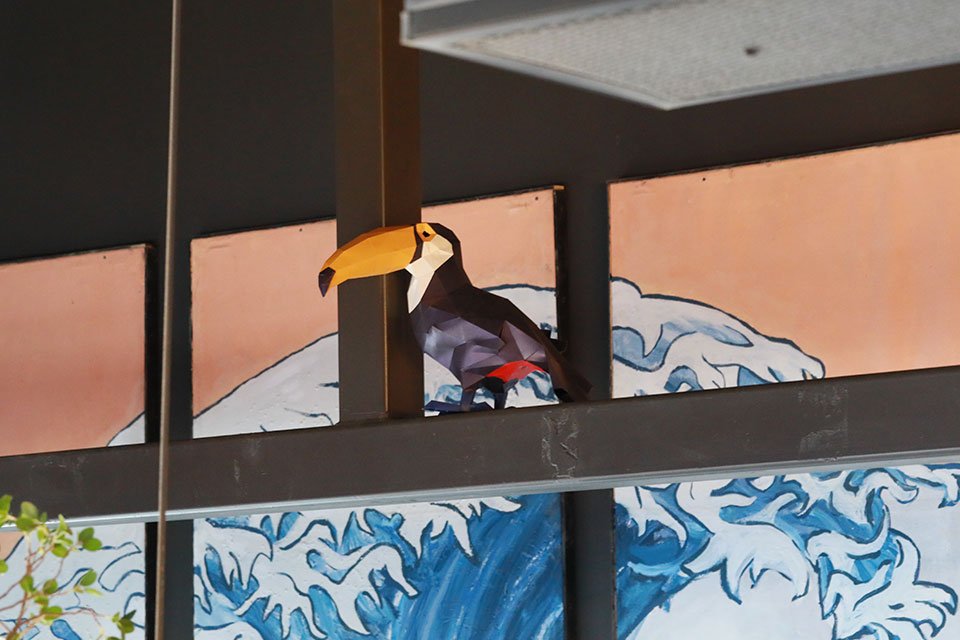
Origami Animals 折り紙の動物
Origami Animals 折り紙の動物
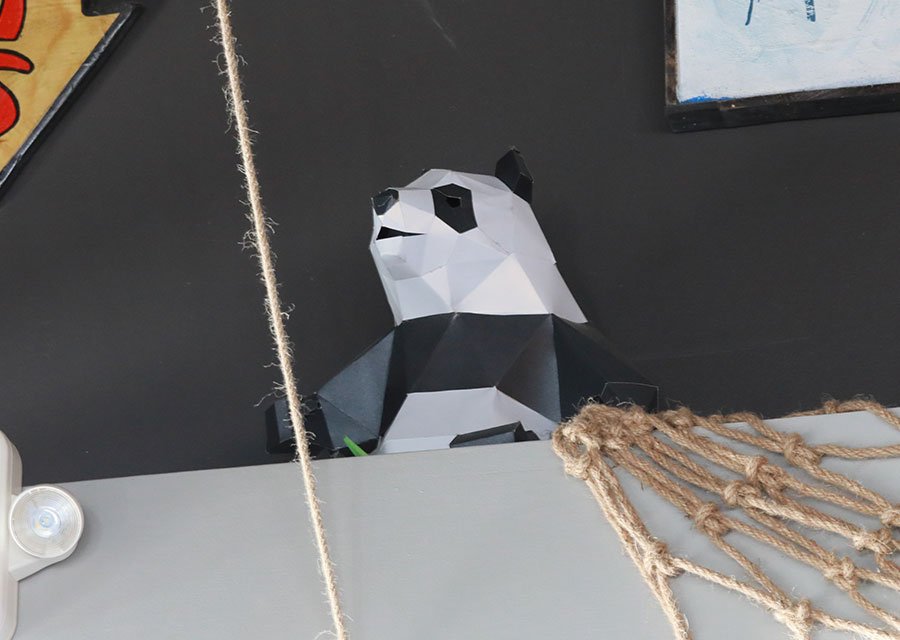
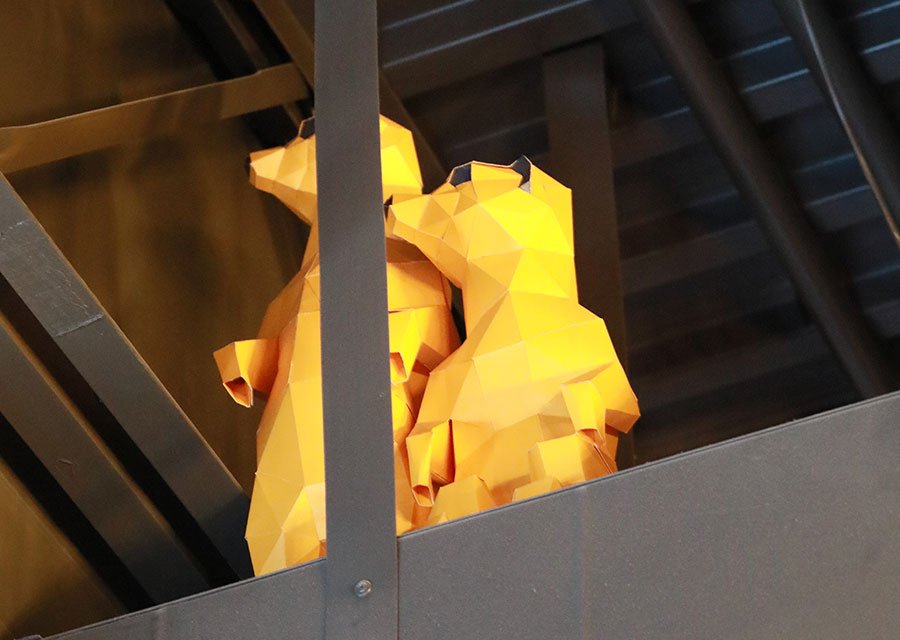
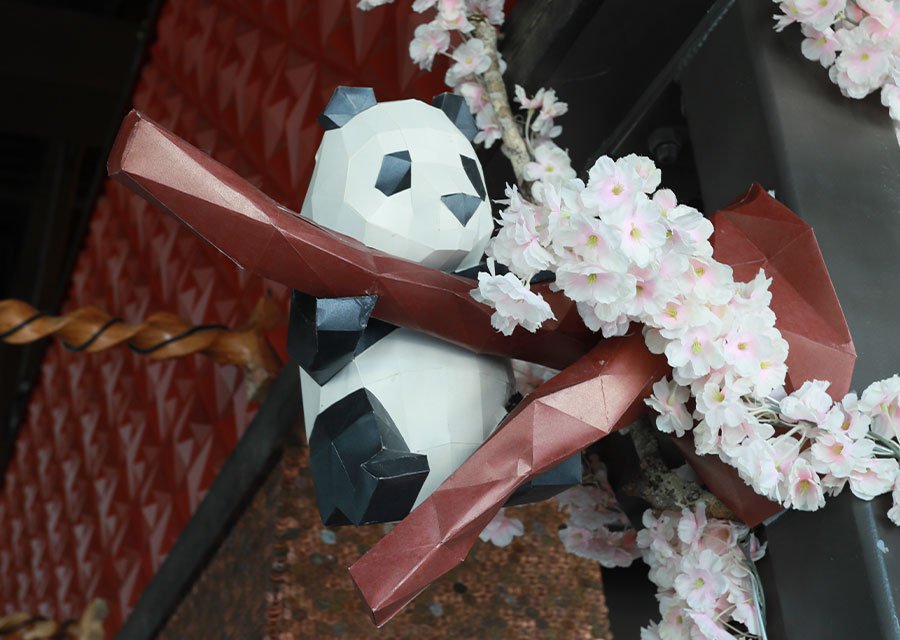
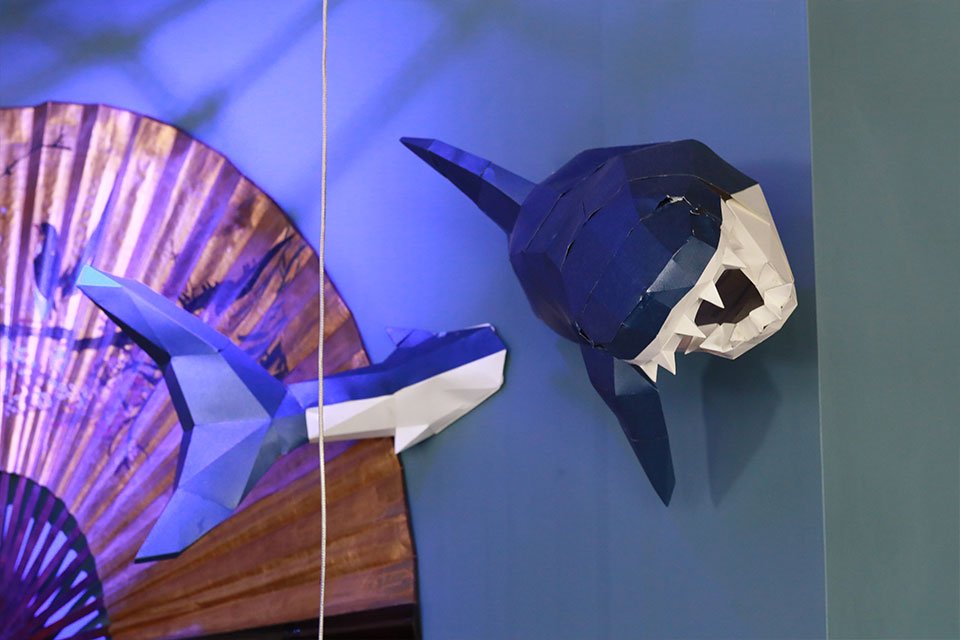
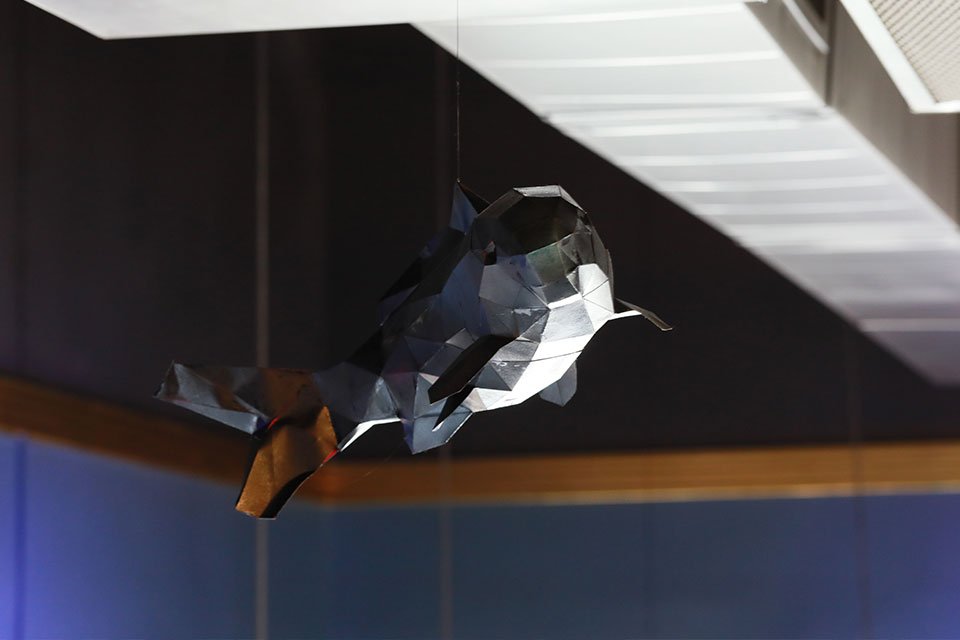
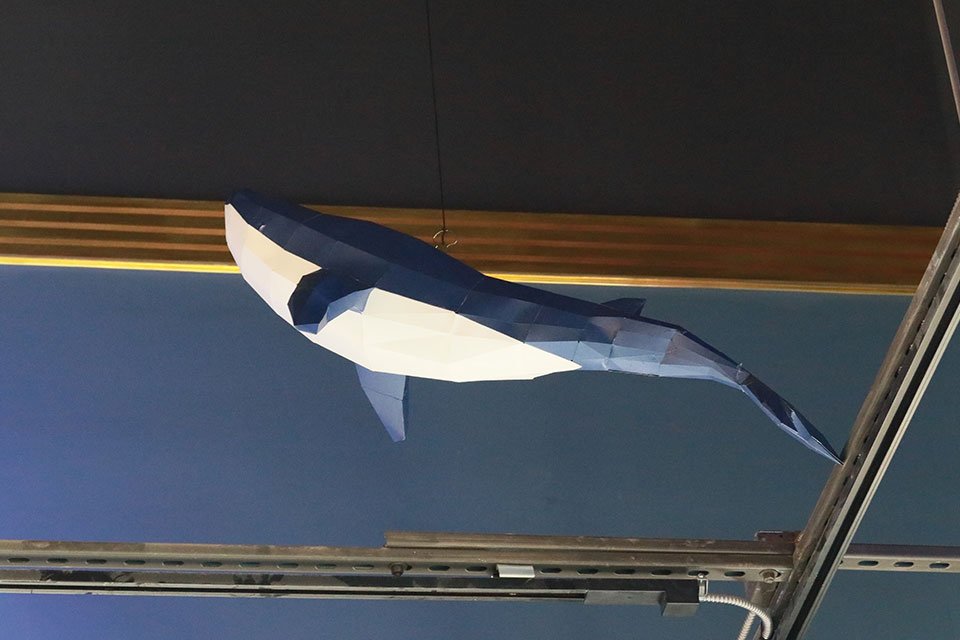
The word “origami” is derived from the Japanese words oru (folded) and kami (paper), reflecting the intricate art of paper folding. For me, as a child, my ADHD made sitting still during long meals a challenge, but having something to search for provided a welcome distraction. This sentiment inspired the inclusion of thirty-two 3D paper animals cleverly hidden throughout Tsunami’s thoughtfully designed interior, offering a playful and engaging element for diners of all ages to discover.
Kumiko 久美子
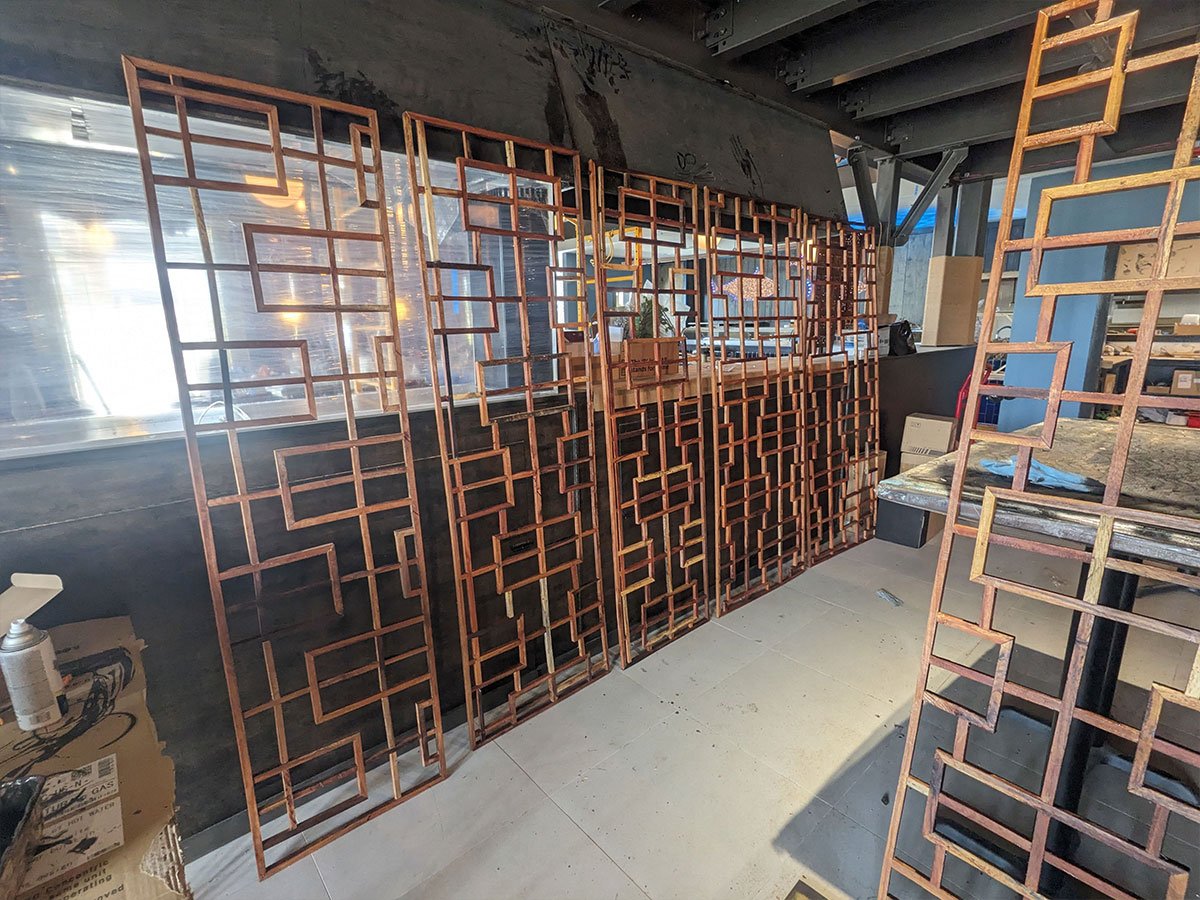
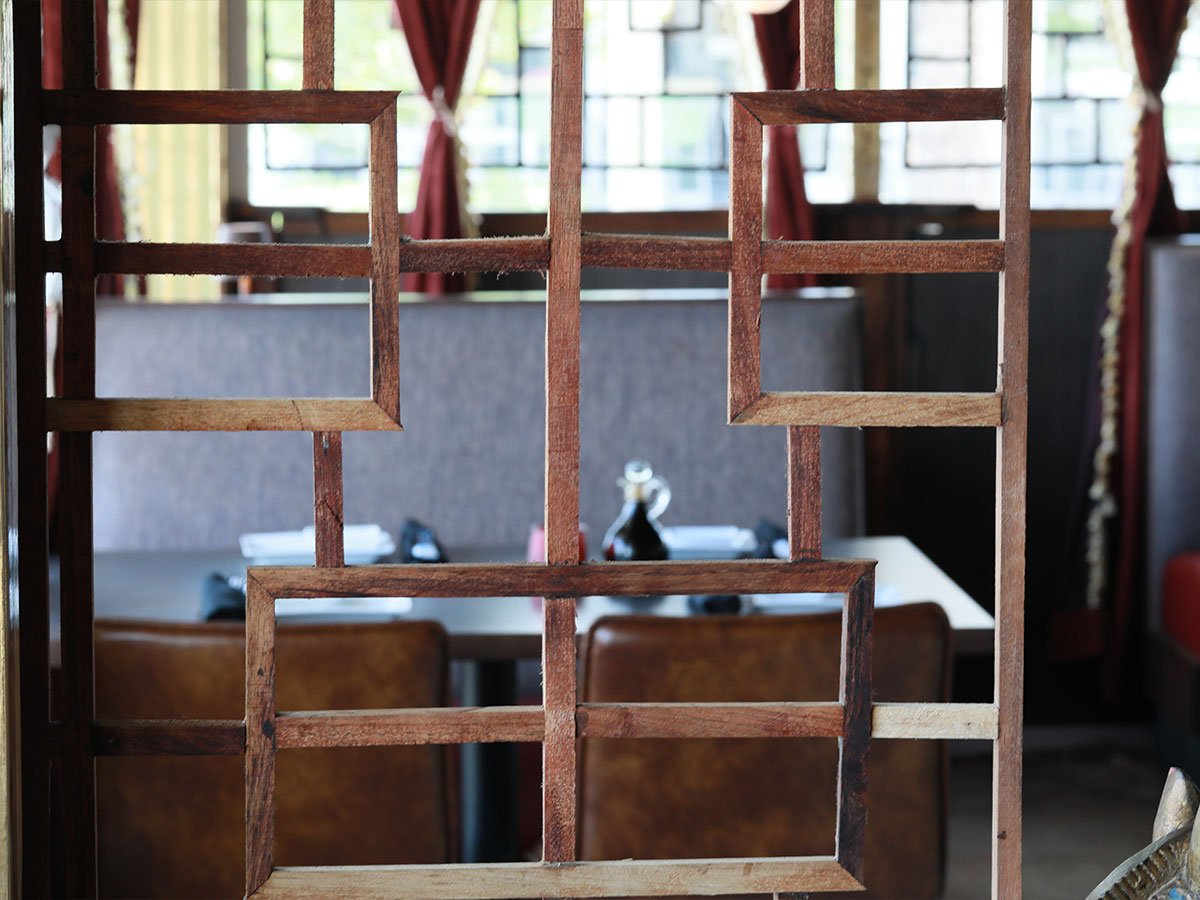
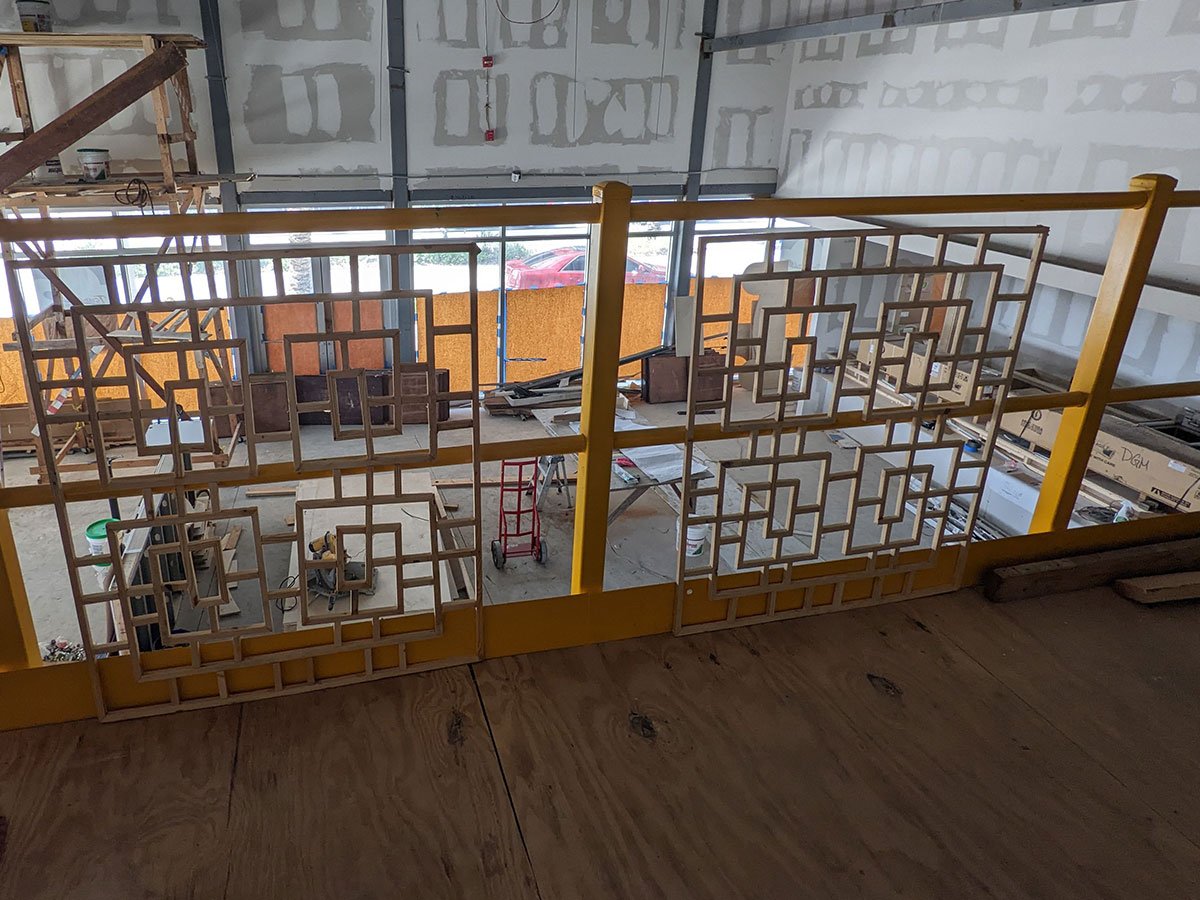
Kumiko is a traditional Japanese woodworking technique that dates back to the Asuka period (600–700 AD) and showcases intricate patterns created without the use of nails or glue. Historically, in many Asian cultures, particularly in countries like China and Japan, glass windows were rare and expensive, often reserved for decorative purposes. Instead, wood latticework and paper coverings were commonly used, reflecting cultural aesthetics and practical availability. The Kumiko patterns hold symbolic meanings; for instance, the pattern chosen for the perimeter at Tsunami symbolizes protection, inspired by the interlocking links of armor, blending historical artistry with thoughtful design.
Aquariums 水族館
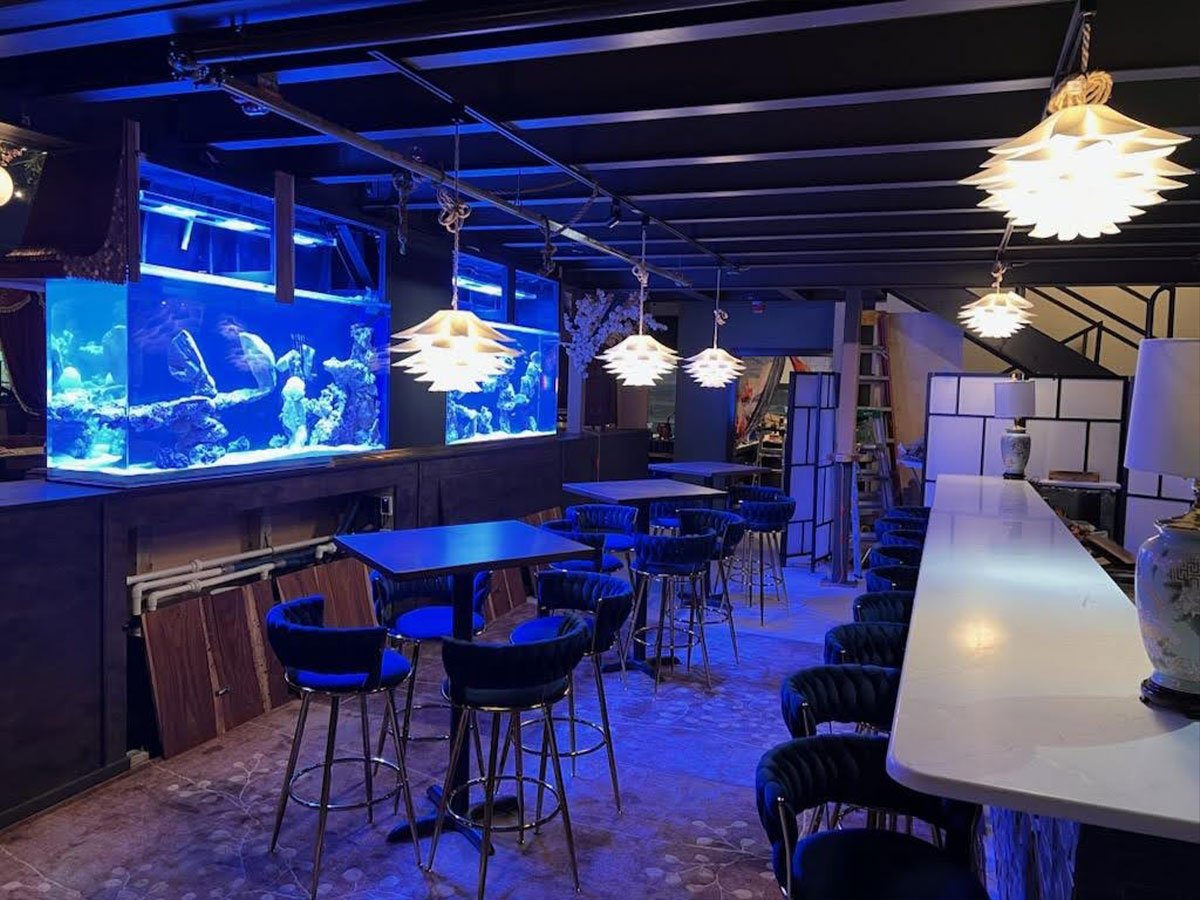
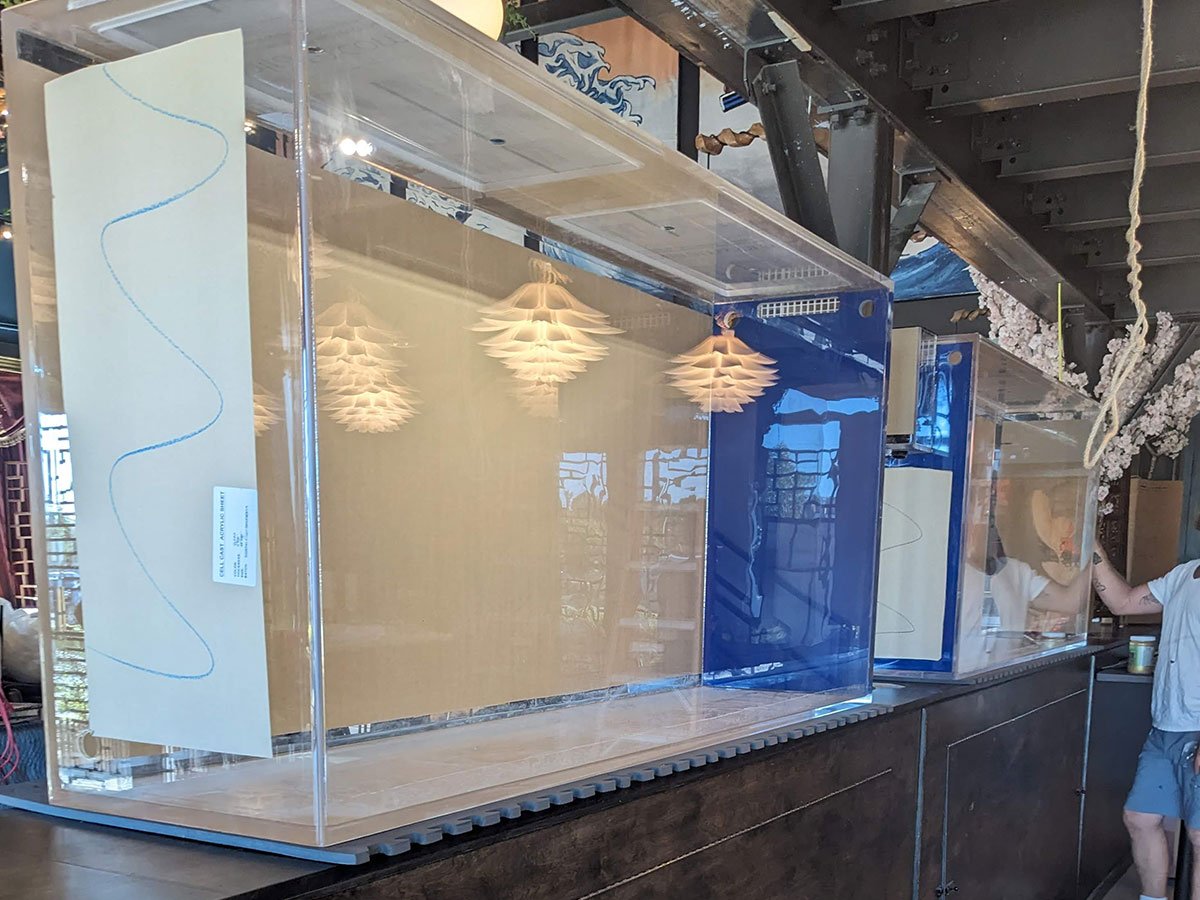
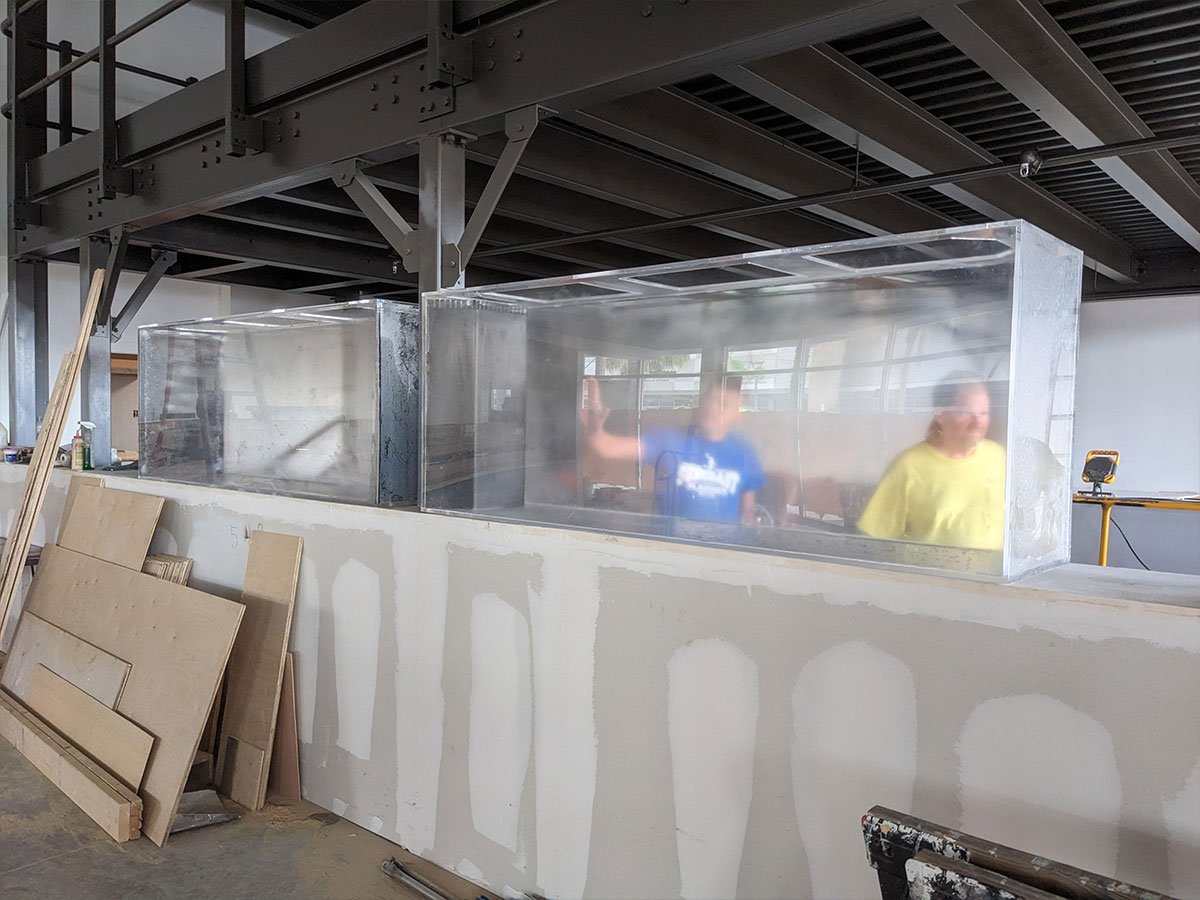
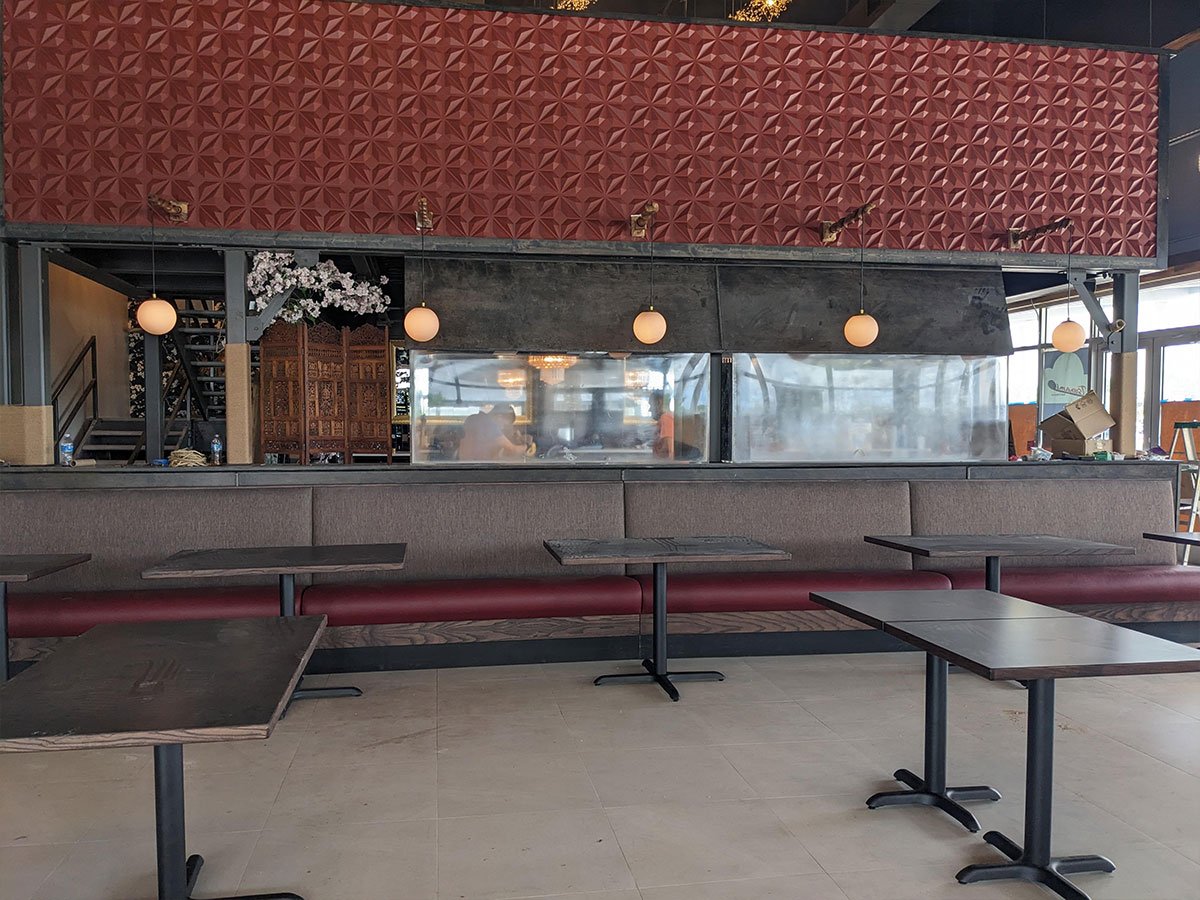
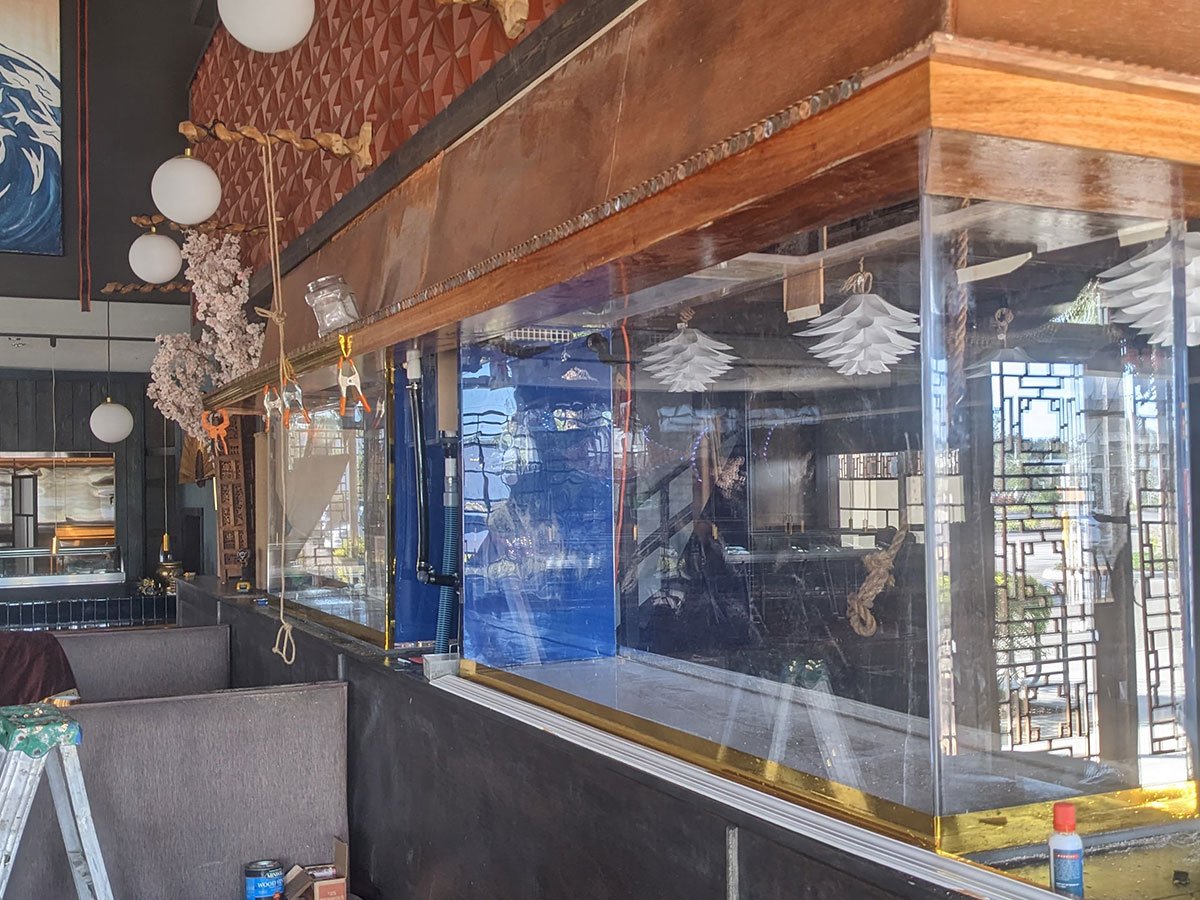
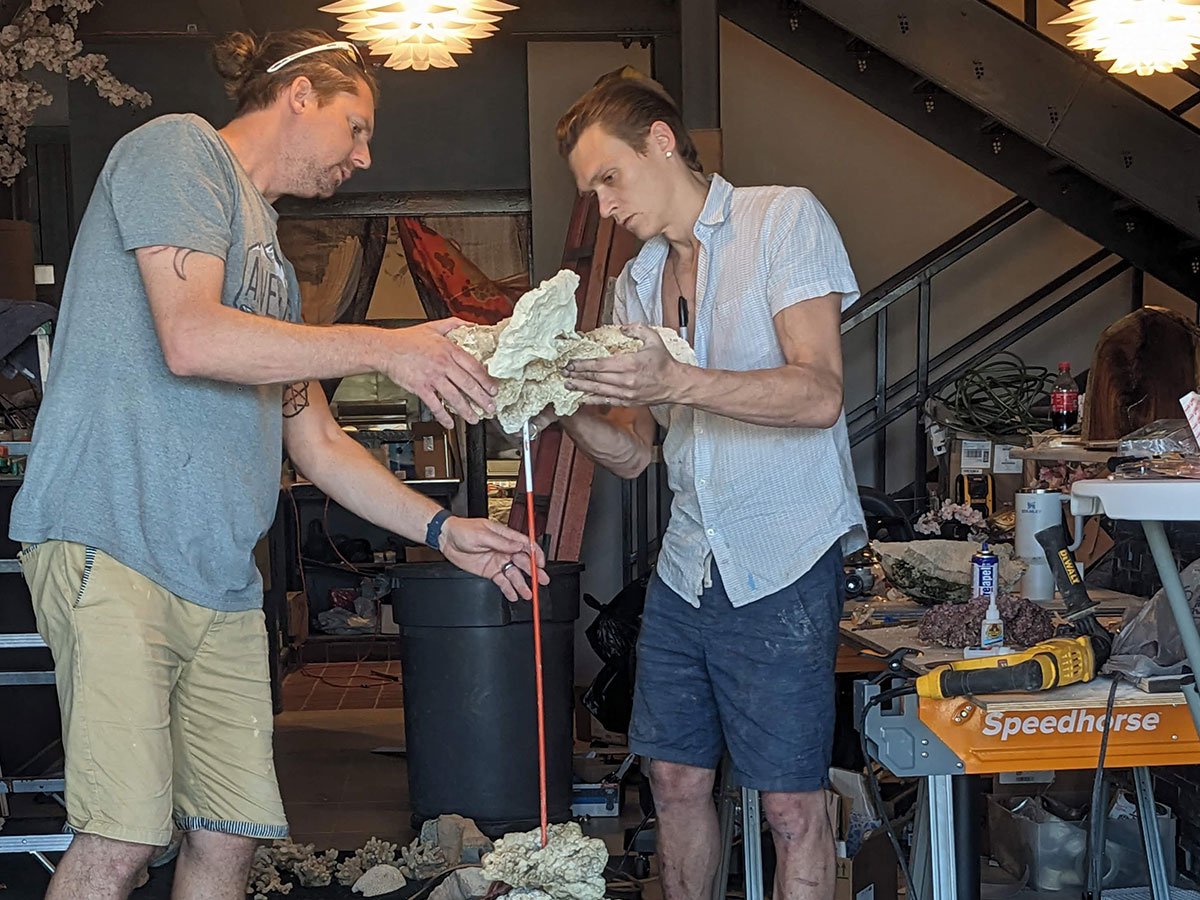
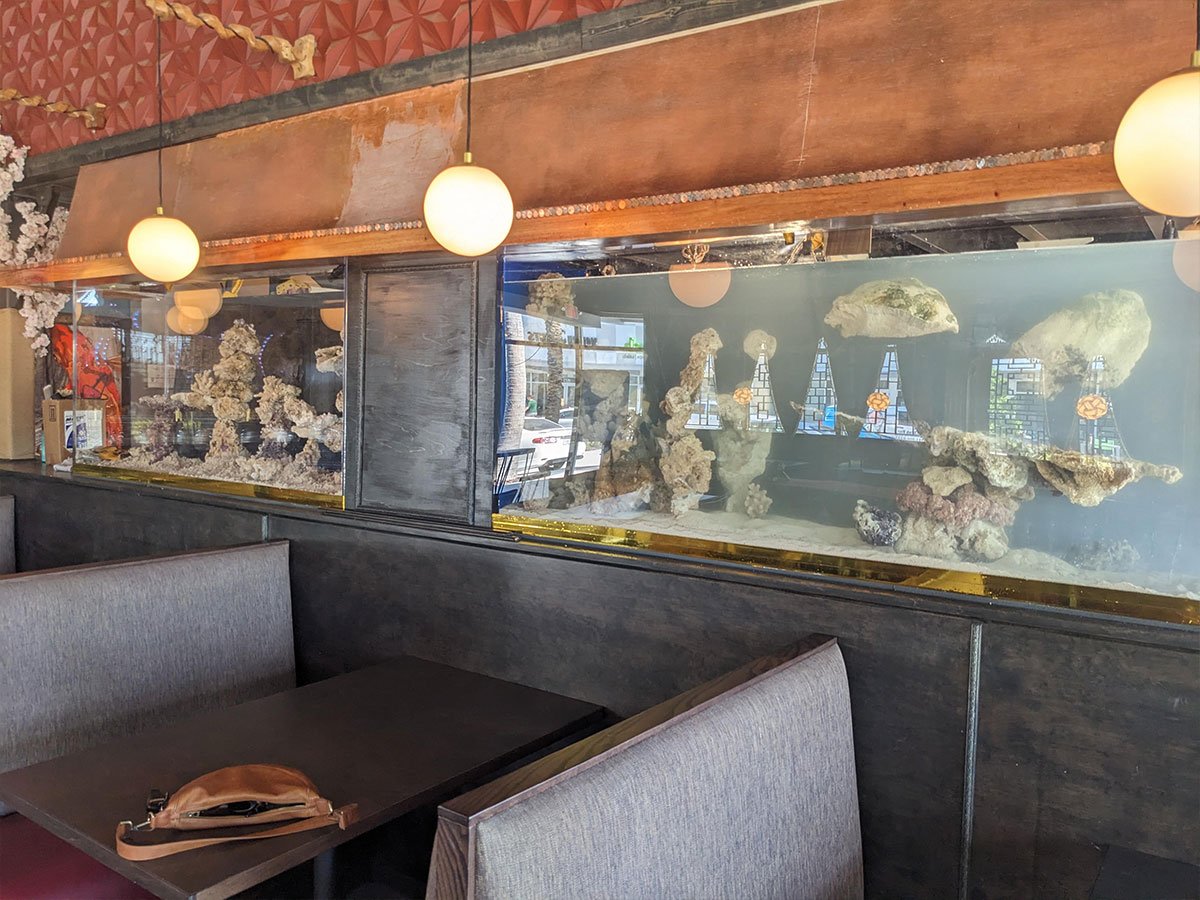
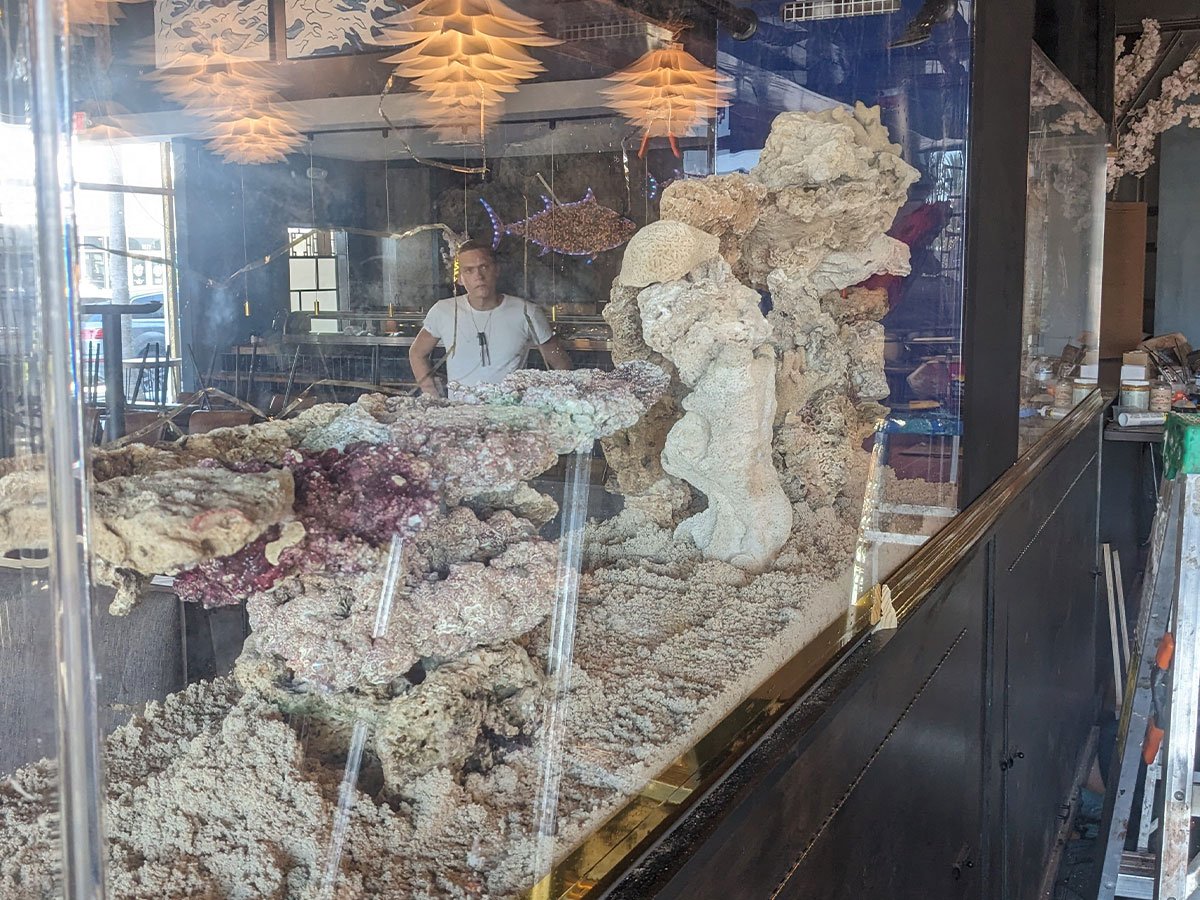
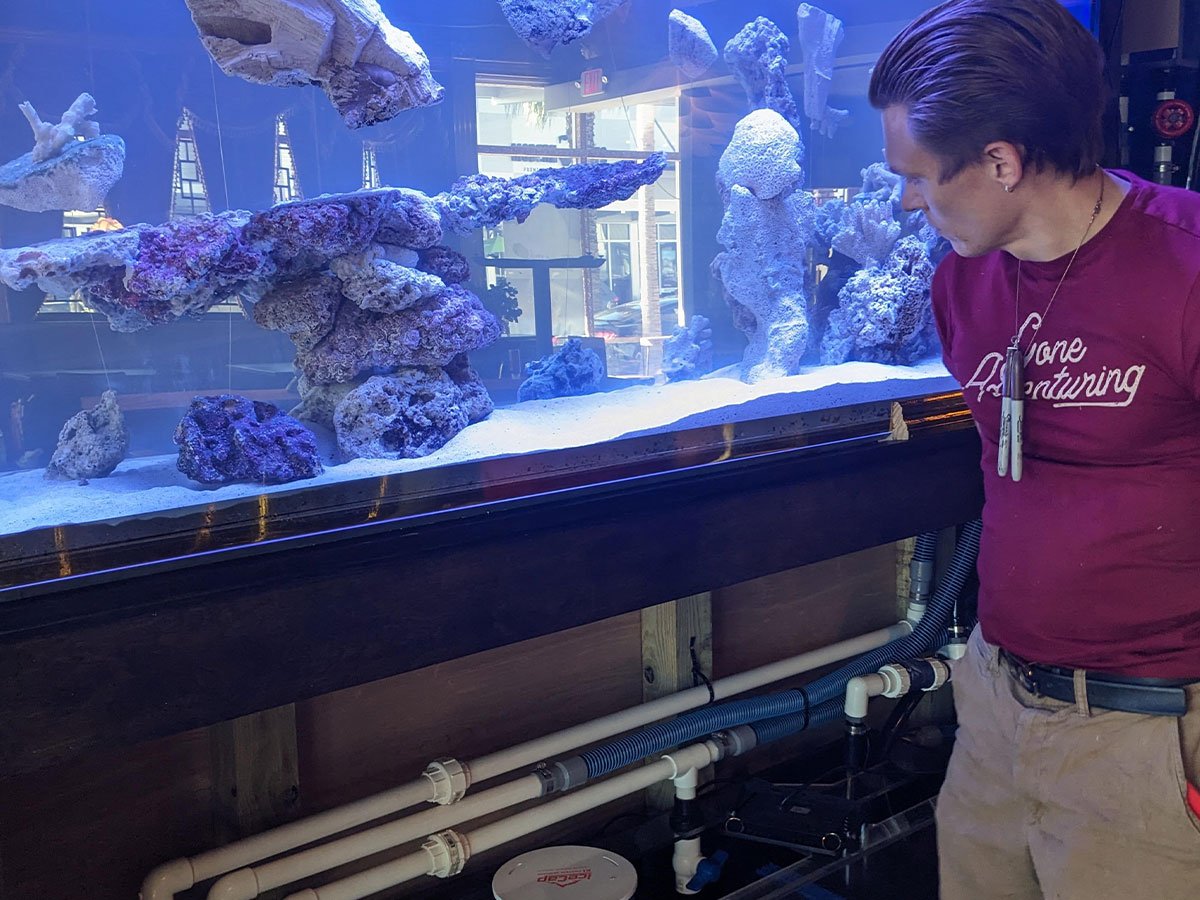
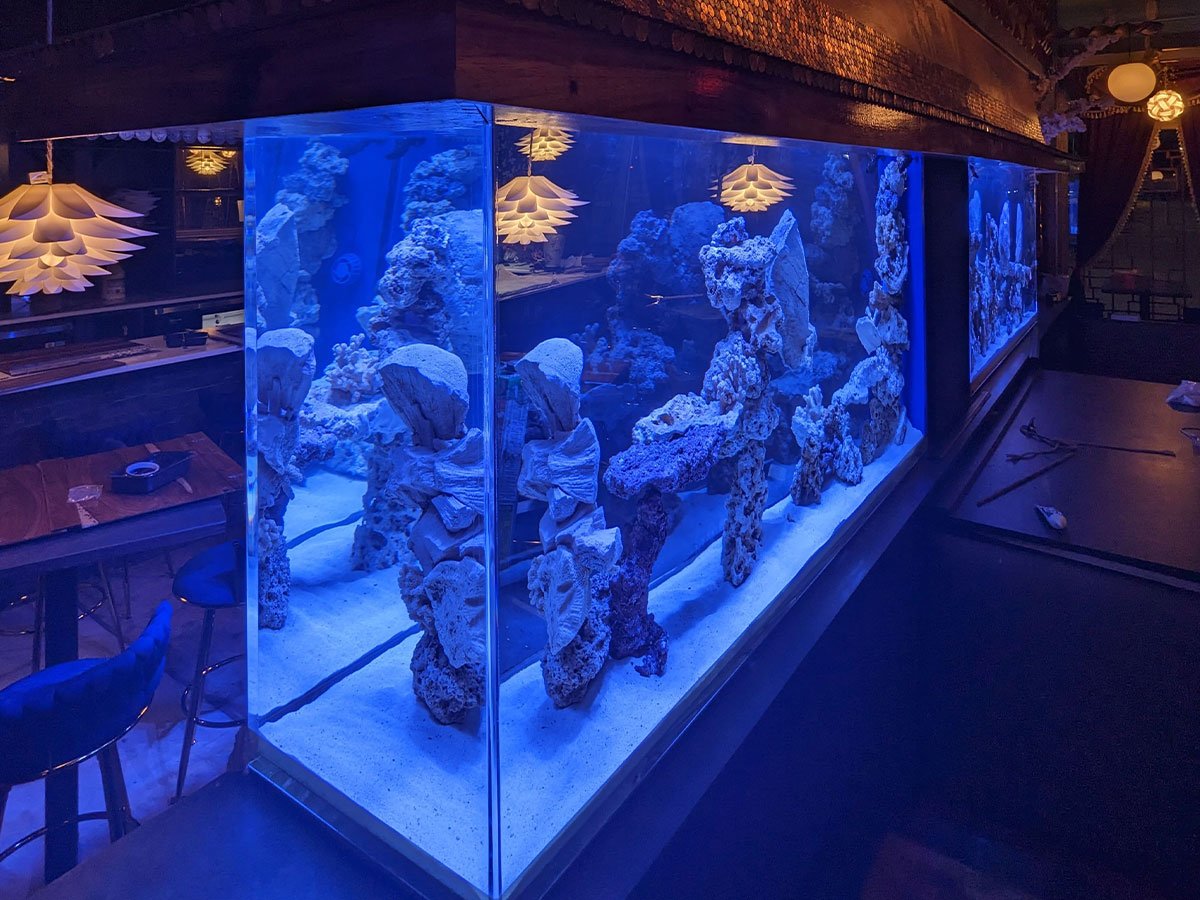
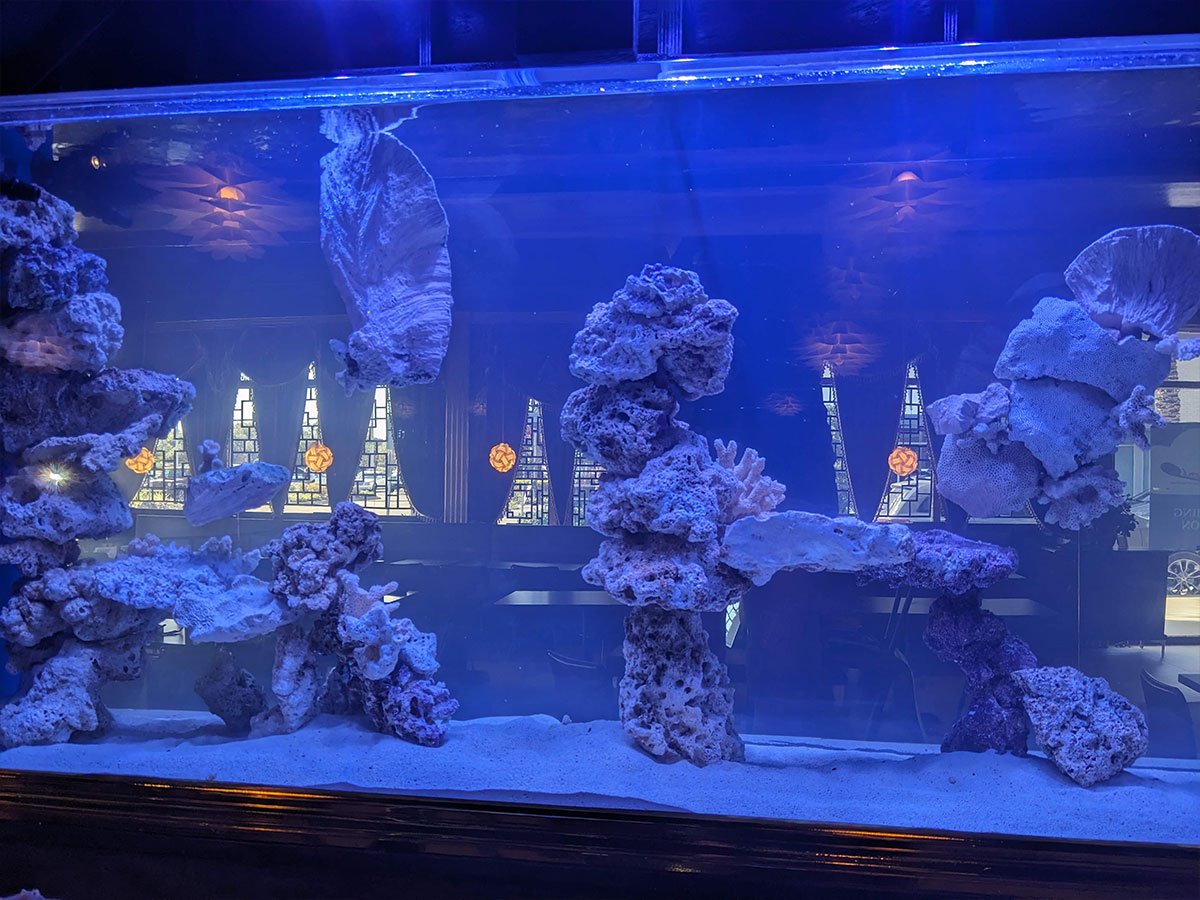
Tsunami features two custom-built saltwater aquariums that serve as an enchanting transition between the main dining area and the bar. These vibrant tanks are home to familiar fish species from Pixar’s Finding Nemo, swimming amidst a thriving underwater garden of coral reef that has been carefully cultivated over several years. The intricate “aqua-scaping” was created by drilling holes in live rock—naturally grown skeletal coral structures formed over centuries—and connecting the pieces with garden stakes, resulting in a stunning and dynamic aquatic display.